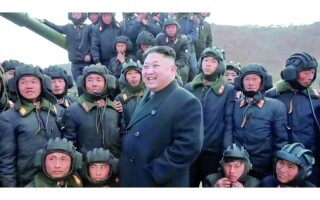
North Korea is preparing to send a new group of soldiers to Russia to assist in the war against Ukraine, despite significant losses suffered by the previous group of Korean soldiers. In August 2024, Ukrainian forces crossed the border with Russia in the Kursk region. Ukrainian army leaders hope that the unexpected movement will force Moscow to retreat from its positions in northern Ukraine to protect Russian territory. However, Kyiv and generally do not anticipate that its soldiers will have to fight against Koreans from North Korea.
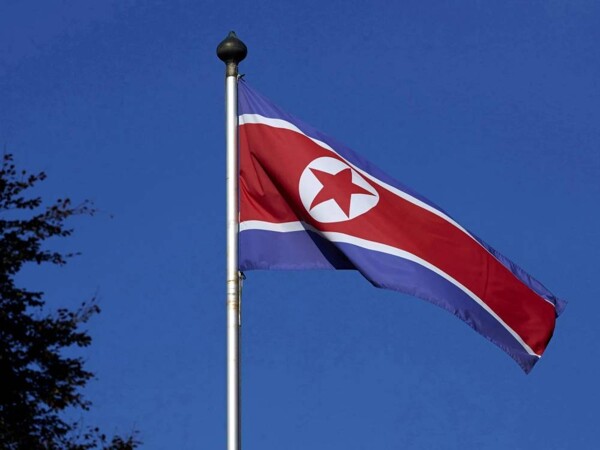
While Moscow and Pyongyang deny that soldiers from North Korea are fighting alongside Russians, South Korean intelligence reports their presence since October 2024. In early December of last year, it was noted for the first time that Korean soldiers were fighting in the Kursk region alongside Russian troops, according to statements from Ukrainian President Volodymyr Zelenskyy.
Estimates suggest that by mid-January about 40% of soldiers from North Korea either died, were injured, went missing without a trace, or were captured. It is reported that due to significant losses, soldiers from North Korea are currently being withdrawn from the front, possibly for further training.
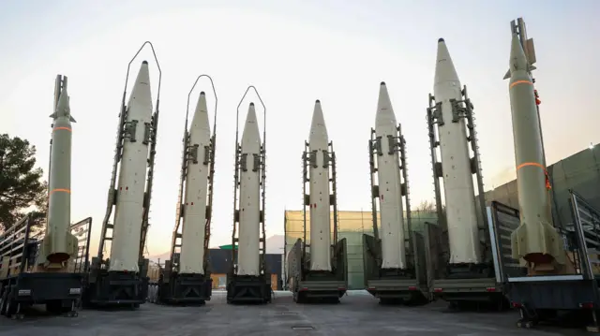
North Korea is one of the arms suppliers to Russia, including rockets and millions of shells necessary for Russia to continue the war against Ukraine. However, it seems that North Korea has no compelling reasons to send its soldiers into the path of danger in this conflict.
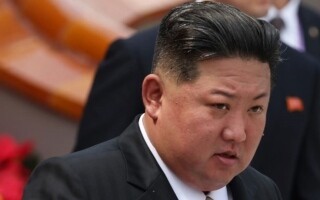
According to some analysts, for Kim Jong-un, sending his soldiers to war with Russia represents a part of a deal between him and Russian President Vladimir Putin. Putin gains significant advantages, as his army in Ukraine receives the necessary "influx" of well-trained soldiers to support the recovery of Russian territories. The forces of North Korea are not very large, but their strategic positioning allows Russia to push Ukrainians back without withdrawing forces from operations in northern Ukraine.
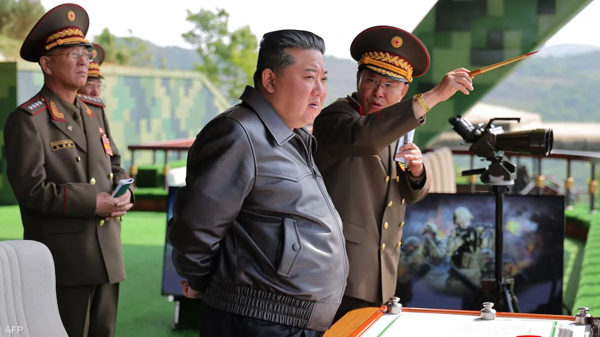
For both Putin and Kim Jong-un, this deal has strategic importance. For Kim Jong-un, sending his soldiers to war helps them gain experience in an important combat operation that will determine the character of future wars. Since the end of the Korean War in 1950-1953, Pyongyang has placed great importance on maintaining a large and well-equipped army. After training, most soldiers from North Korea are directed to patrolling services in the demilitarized zone along the border with South Korea.
Ukrainian soldiers claim that North Korean soldiers lack sufficient experience in real combat conditions, suggesting that Koreans resort to strategies used during World War II. According to Ukrainian military estimates, Koreans attack in large groups, becoming easy targets for artillery strikes and airstrikes. In their opinion, North Korean soldiers feel insecure when unmanned aerial vehicles appear in the combat zone, and they do not realize that these devices can inflict deadly blows on them. Moscow and Pyongyang have not confirmed reports that soldiers from North Korea are fighting alongside Russians.